Start your medical education journey in Russia with expert counselling
and complete admission support.
Russia offers affordable, globally recognized medical education with English-medium
MBBS programs. Universities provide modern infrastructure, strong clinical exposure,
and experienced faculty.
High-quality medical education at affordable costs, making MBBS in Russia accessible while maintaining global standards without heavy financial burden.
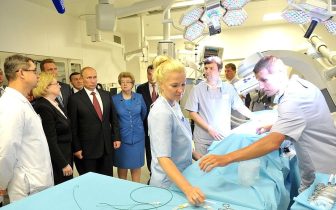
Students gain hands-on clinical experience in well-equipped hospitals, interacting with real patients and developing practical skills essential for successful medical careers.
Modern campuses with advanced laboratories, smart classrooms, well-equipped hospitals, and cutting-edge technology that support effective learning and hands-on medical training.
Students should verify the selected Universities and programme against the applicable NMC requirements before admission.
Admission requirements vary by university. Indian students should check the selected university’s current admission requirements, including any entrance, language or document requirements.
Russian medical universities offer modern infrastructure, experienced faculty, advanced
labs, and structured curriculum ensuring strong
theoretical and practical learning.
Key insights covering education system, population
diversity, climate conditions, and lifestyle factors
across the country.
Universities and Colleges
Indian students in Russia in 2024
Part-time work permit
Post-study work permit
Moscow
Total population
Economic growth rate in 2025
Primary language
3 205 000 RUB
2 395 000 RUB
3 025 000 RUB
2 605 000 RUB
2 035 000 RUB
1 819 000 RUB
2 125 000 RUB
2 205 000 RUB
1 750 000 RUB
3 025 000 RUB
3 025 000 RUB
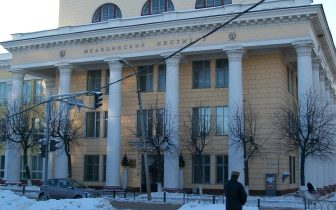
3 025 000 RUB
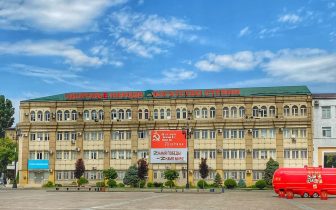
3 025 000 RUB
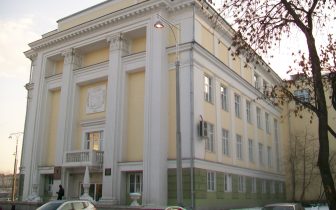
3 025 000 RUB
3 025 000 RUB
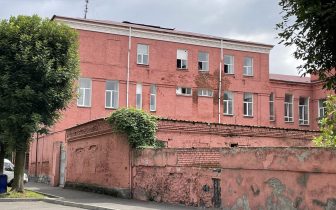
3 025 000 RUB
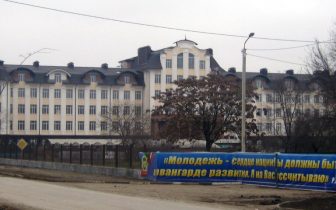
3 025 000 RUB
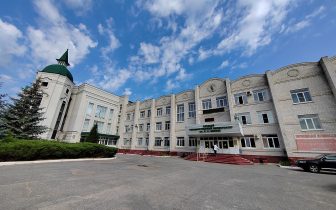
3 025 000 RUB
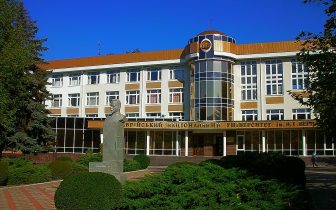
3 025 000 RUB
Russia is the world’s largest country, straddling Europe and Asia. Its formal medical education dates to 1758, when the medical faculty that later became Sechenov University was founded in Moscow. The sector is regulated by the Ministry of Health and the Ministry of Science and Higher Education. As of 2024, more than 31,000 Indians were studying in Russia — around 21,500 of them in medical education (Sberbank India, citing consulate data), while the Indian Embassy in Moscow cites “more than 20,000 Indian students currently studying MBBS.”
| University | City | Fee band (indicative) |
| Northern State Medical University | Arkhangelsk | Low |
| Stavropol State Medical University | Stavropol | Low–mid |
| Sevastopol State University | Sevastopol | Low |
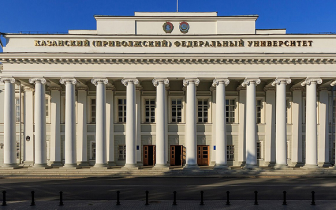
| Kazan Federal University | Kazan | Mid–high |
| Kazan State Medical University | Kazan | Mid–high |
| Ivanovo State Medical University | Ivanovo | Low |
| Crimea Federal University | Simferopol | Low |
| Dagestan State Medical University | Makhachkala | Low |
| Ural State Medical University | Yekaterinburg | Low |
| Yaroslavl State Medical University | Yaroslavl | Low–mid |
| Far Eastern Federal University | Vladivostok | Mid–high |
| Tver State Medical University | Tver | Mid |
| Kemerovo Medical University | Kemerovo | Low |
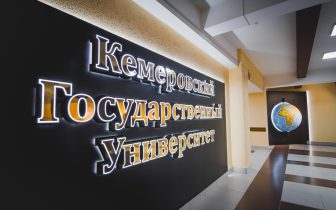
| Kemerovo State University | Kemerovo | Low |
| Bashkir State Medical University | Ufa | Low–mid |
| Omsk State Medical University | Omsk | Low–mid |
| North Ossetian State Medical Academy | Vladikavkaz | Low–mid |
| Kadyrov Chechen State University | Grozny | Low |
| Yelets State University | Yelets | Low |
All figures are indicative bands, not quotes. Confirm exact tuition in RUB directly with the university before paying.
Total 6-year cost typically ranges ₹18–40 lakh depending on university and city, covering tuition, hostel and living expenses. Moscow and Kazan sit at the upper end; regional Siberian and Volga universities are cheaper.
Most universities provide separate hostels for boys and girls (2–4 sharing) with central heating, Wi-Fi and shared kitchens. Indian messes serving vegetarian and non-vegetarian food are common in cities with large Indian communities. Monthly living cost is roughly $150–$300.
A one-way India–Russia flight generally costs ₹25,000–₹45,000 depending on city, season and connections. Students usually travel in groups for the September intake.
Programme duration and internship structure vary by university. Students should verify the selected programme against the applicable NMC requirements before admission.
English for international students in the pre-clinical years; Russian is taught alongside so students can communicate with patients during clinical rotations.
Main intake is September/October; some universities run a February intake. Applications typically open April–June.
Russia awards 200 fully-funded scholarships to Indians each year (Russian House Vice Consul Alexander Dodonov, May 2025). Some universities also offer merit-based tuition discounts. Because places are limited and highly competitive, most Indian students self-fund or use education loans — plan finances accordingly.
Daily life centres on lectures, hostel routines, and a genuinely large peer group — with an estimated 20,000+ Indian medical students in Russia, you’re rarely far from someone who understands home. Indian student associations organise Diwali, Holi, and other festival celebrations, and most cities with a sizeable student population have at least one Indian-run mess or grocery store stocking familiar spices and staples.
Cold winters (especially in Siberia and the north, where temperatures can fall well below -20°C) are the biggest early adjustment — proper winter clothing is essential, and many seniors recommend vitamin D supplementation through the darker months. Mobile SIM cards and prepaid internet are inexpensive and easy to set up on arrival; hostels generally have Wi-Fi, so video calls home are the norm.
Part-time work on a student visa is heavily restricted, so most students rely on family support or education loans rather than local earnings. Weekends are typically spent on coursework, informal study groups, or exploring the city with hostel-mates — solo travel is usually discouraged in the first year while you’re still learning the basics of the language and local systems. Homesickness is common in the first few months; the university’s international-student office and informal WhatsApp/Telegram groups run by senior Indian students are usually the first points of support.
| Year | Focus |
| 1 | Anatomy, Histology, Biochemistry, Latin, Russian language |
| 2 | Physiology, Microbiology, Pathology basics |
| 3 | Pathology, Pharmacology, Propaedeutics, clinical introduction |
| 4 | Internal Medicine, Surgery, Obstetrics & Gynaecology |
| 5 | Specialities — Pediatrics, Psychiatry, Neurology, ENT, Ophthalmology |
| 6 | Internship / clinical rotations across major departments |
| Factor | Russia | India (private) |
| Tuition (total) | ₹18–40 lakh | ₹50 lakh–₹1 crore+ |
| Entrance | NEET qualification | NEET rank-based |
| Donation | None (govt) | Often high |
| Medium | English | English |
| Licence to practise in India | FMGE/NExT + CRMI | Direct |
Fill out the form and our expert counselor will get in touch within 24 hours to discuss your study abroad plans.
+91 - 8740004499, +91 - 9057796555
admin@studymedico.com
B-12 , Vasundhara Vihar, Bajrang Nagar Road, Kota-1, Rajasthan 324001
Mon - Sat: 9:00 AM - 7:00 PM
Make Your Dream to Study in Russia
Our experienced abroad education consultants guide you at every step, ensuring
a smooth, transparent, and stress-free application journey with StudyMedico.
Your study abroad counsellor supports you after graduation, while StudyMedico provides tailored career placement guidance for international job opportunities.
Our experienced abroad education consultants guide
you at every step, ensuring a smooth, transparent, and
stress-free application journey with StudyMedico.
StudyMedico connects you with trusted banks, helping secure education loans with competitive interest rates and flexible repayment options.
StudyMedico provides comprehensive support with flight bookings and pre-departure briefings, ensuring a smooth, well-prepared transition to your university abroad.
StudyMedico offers complete visa support with mock interviews, expert guidance, and detailed document checklists for a smooth student visa process.
StudyMedico partners with premium student accommodation providers to ensure students
find the perfect room abroad.
The cost of living in Russia depends on the city, your lifestyle, and personal spending habits. In general, cities like Moscow and Saint Petersburg are pricier than smaller university towns. Below is an estimate of monthly living costs for students in Russia:

Accommodation costs in Russia vary by city and housing type. University hostels are very affordable, while private apartments in cities like Moscow or Saint Petersburg cost more.

Basic utility expenses may include electricity, heating and water; some utilities may be included in accommodation fees.

Food expenses in Russia depend on eating
habits. Cooking at home is economical, while
frequent dining out can increase monthly
grocery and meal costs.

Public transport costs in Russia vary by city
and usage. Students benefit from affordable
metro, bus, and tram passes offering
unlimited travel options.
Candidates need to have completed 10+2 with Physics, Chemistry, and Biology, and hold a valid, qualifying NEET scorecard. Only NEET qualification is required for MBBS abroad — a high NEET score is not compulsory.
Students must meet the applicable age requirements under current admission rules and the selected university’s policy.
Gap-year eligibility depends on the admission policy of the selected university and applicable regulations.
Country selection should consider the university, programme, clinical training, eligibility and student requirements.
Students should verify the current regulatory requirements and university-specific eligibility before admission.
Validity and registration in India depend on the applicable regulations and requirements in force at the relevant time.
Yes. Russia hosts a very large number of Indian medical students, and its universities provide dedicated international-student hostels, campus security, and support offices. As with any country, standard precautions apply: register with the Indian Embassy on arrival, keep emergency numbers handy, and stay alert particularly regarding winter travel safety in colder regions.
Yes, provided the university is NMC-approved and WDOMS-listed. Graduates must clear India’s FMGE/NExT screening exam and complete a 12-month CRMI internship to practise in India, the same requirement as any MBBS-abroad degree. Always re-verify a university’s current approval status before applying.
Most universities provide on-campus hostels with shared rooms and basic furnishing; some offer private rooms at extra cost. Indian mess facilities or Indian-run kitchens are common in cities with a larger Indian student population. Winters can be harsh, so hostels are centrally heated. Confirm food and heating arrangements with your specific university before booking.
Universities allow re-examinations, usually within the same academic year. Repeated failure in a subject can require repeating that year, adding to total cost and duration. Confirm the specific re-exam and repeat policy with your chosen university before enrolling, as it varies by institution.
Russia continues to admit international medical students. Indian students should verify the current university, programme, admission and applicable NMC requirements before applying.